Scientific Culture and Innovation Unit (UCC+i)
As a leading generator of knowledge in the healthcare field, the Health Research Institute of Santiago de Compostela (IDIS) is firmly committed to science communication and public engagement. This work is essential to bringing science and scientific careers closer to the society it serves.
In 2024, the Spanish Ministry of Science and Innovation recognised IDIS for its outstanding work in science communication by accrediting it as a member of the Network of Scientific Culture and Innovation Units (UCC+i Network) of the Spanish Foundation for Science and Technology (FECYT). This public institution promotes interaction between science and society, the development of scientific culture, and the dissemination of scientific knowledge throughout Spain.
The IDIS Scientific Culture and Innovation Unit aims to increase the visibility of the institute and the high-quality research carried out every day by its professionals. It seeks to ensure that health research outcomes achieved for the benefit of society are widely known and understood. The Unit also works to inspire scientific vocations among young people, promote critical thinking, and provide society with opportunities to improve its understanding and appreciation of science.
Its main areas of activity include:
- Effective communication of R&D&I results.
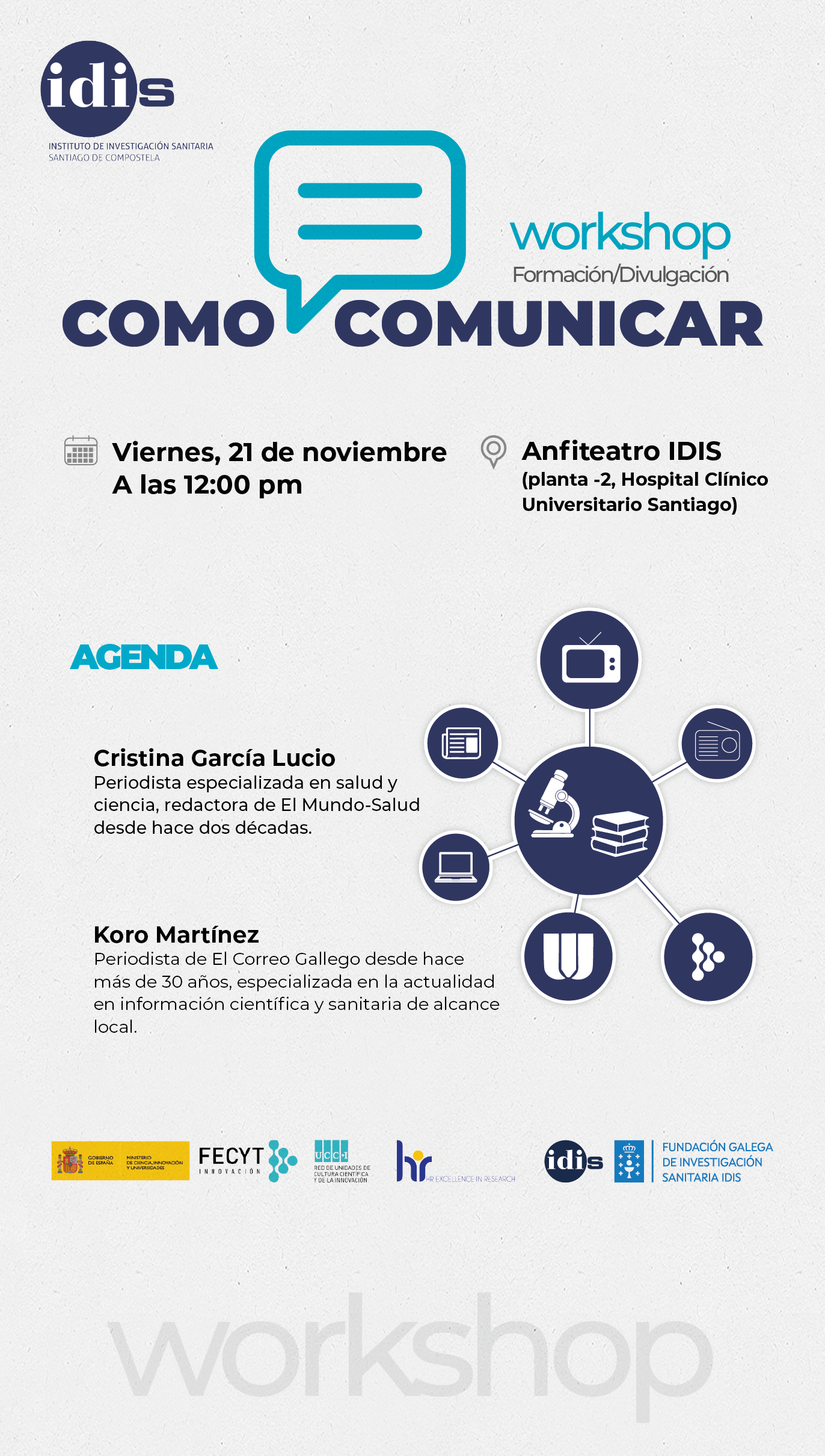
- Dissemination of scientific and technological knowledge through participation in outreach activities and public events, organisation of science fairs, workshops, lecture series, guided laboratory visits, open days, and engagement through social media to connect with younger audiences.
- Advice and training for researchers in science communication and public engagement.

Outreach Survey
Complete this survey to share your opinion on the outreach and science communication needs of IDIS.
Contact
Iria Louzao Pernas (Head of the UCC+i)
+34 981 950 409 (ext. 250 409)
Miriam Cebey López
+34 981 951 196 (ext. 251 196)
José Ramón Castro Ruibal
+34 981 955 308 (ext. 255 308)
María Rodríguez Carlín
+34 981 955 972 (ext. 255 972)
Contact us at: divulgacion@idisantiago.es


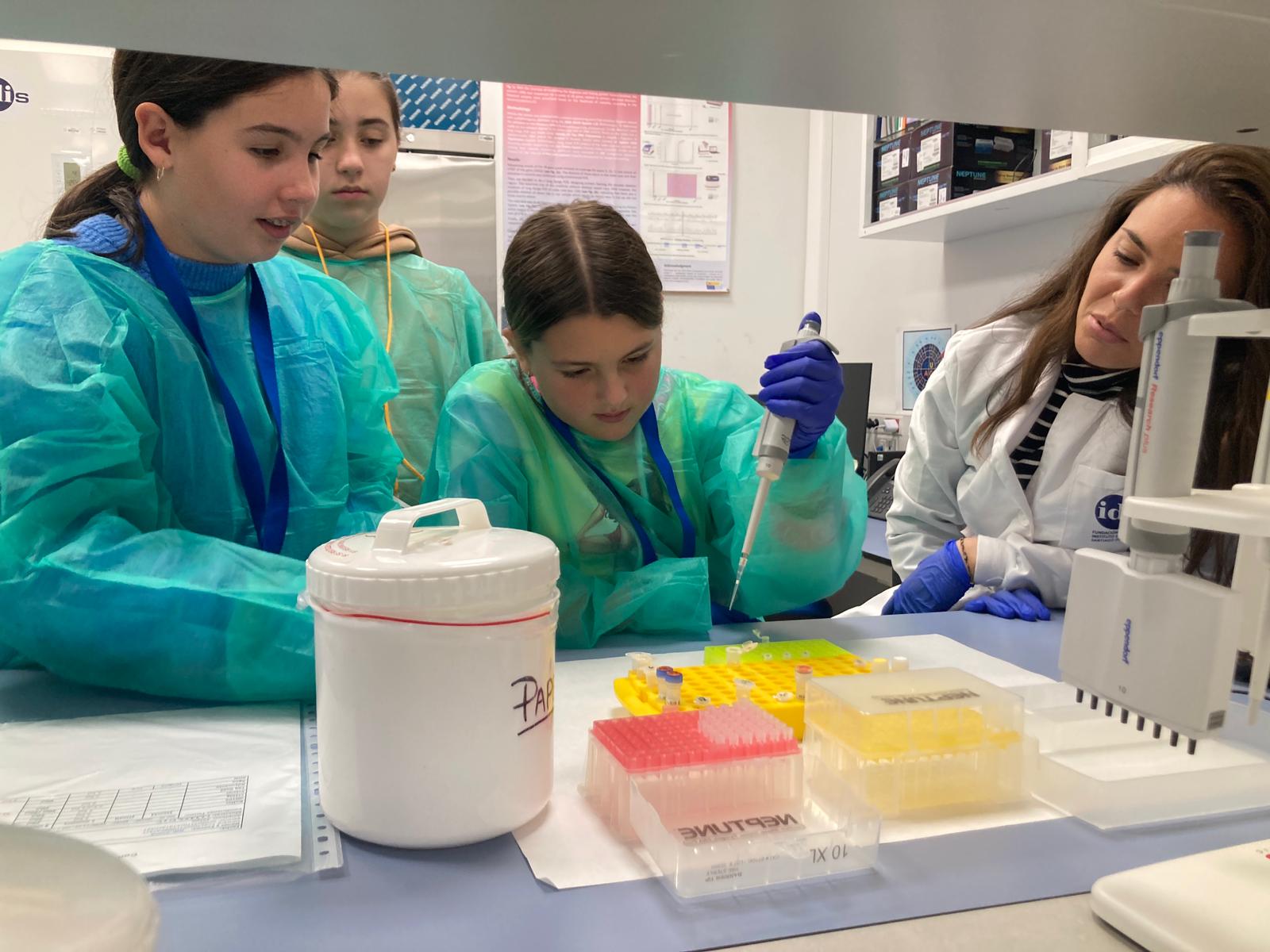
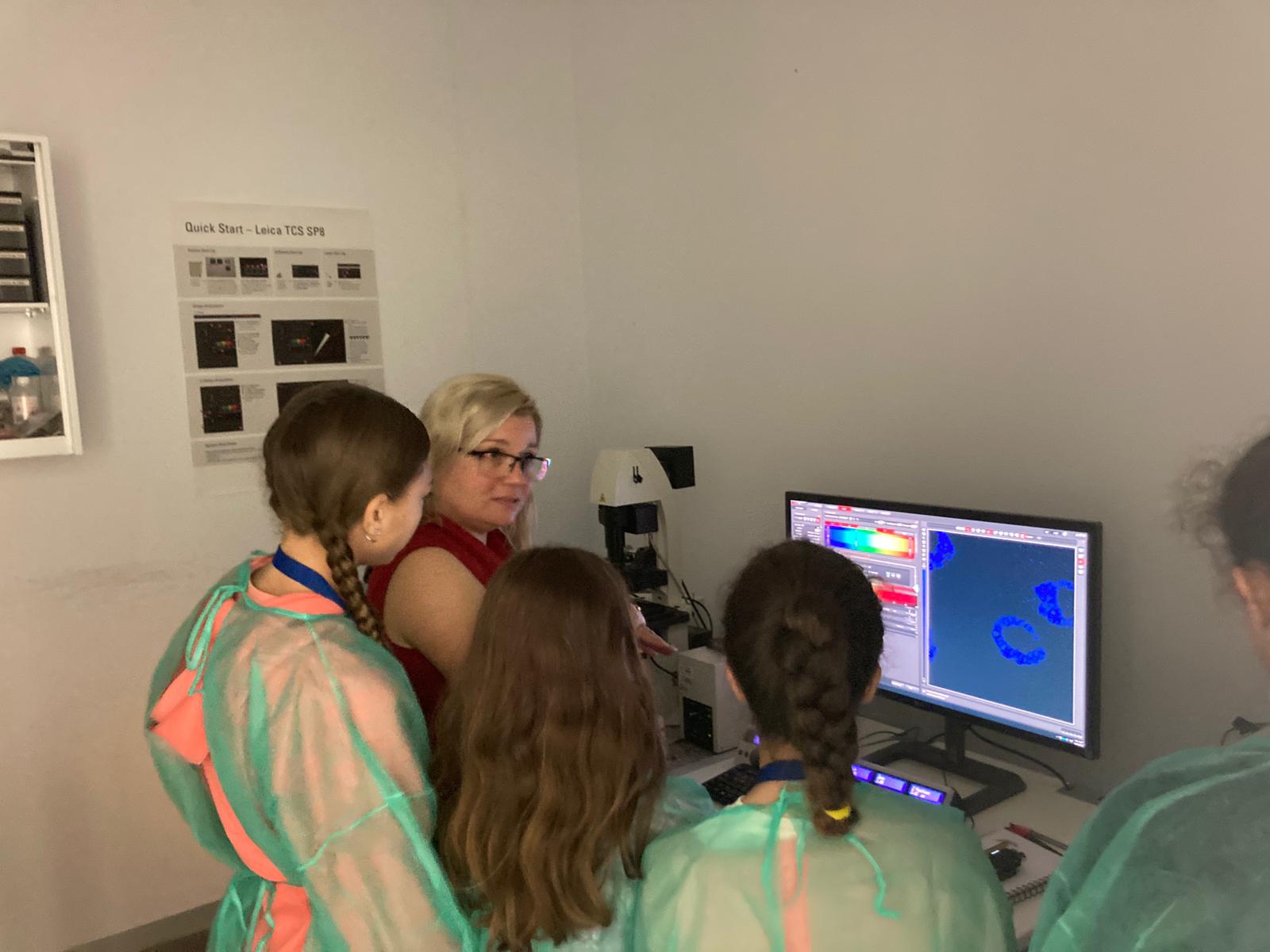
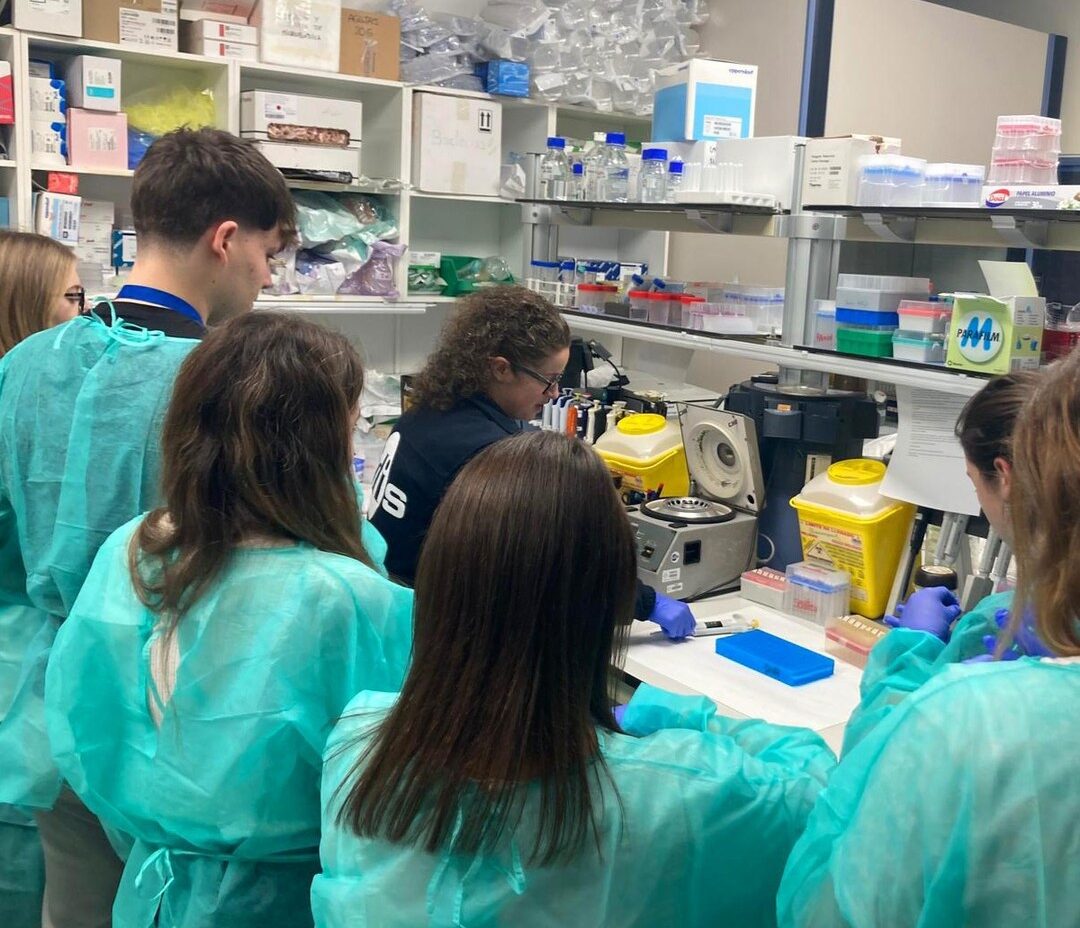
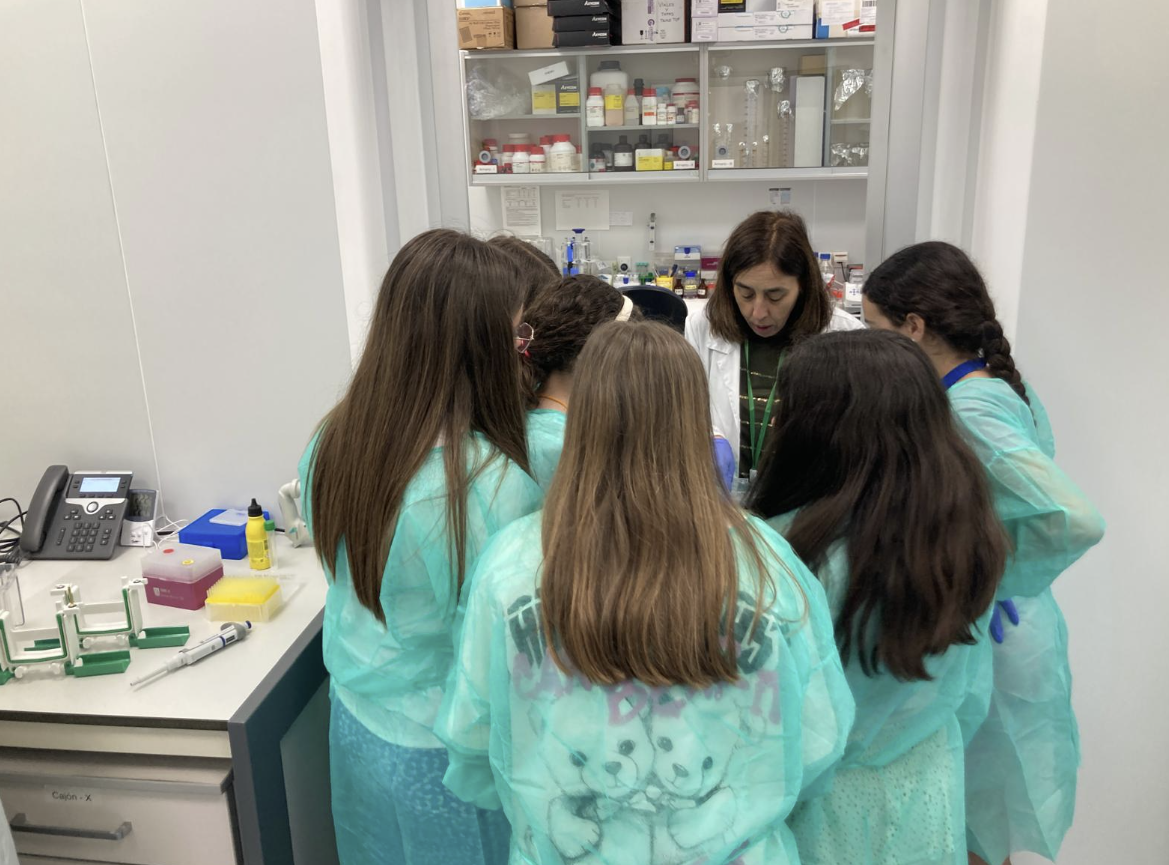
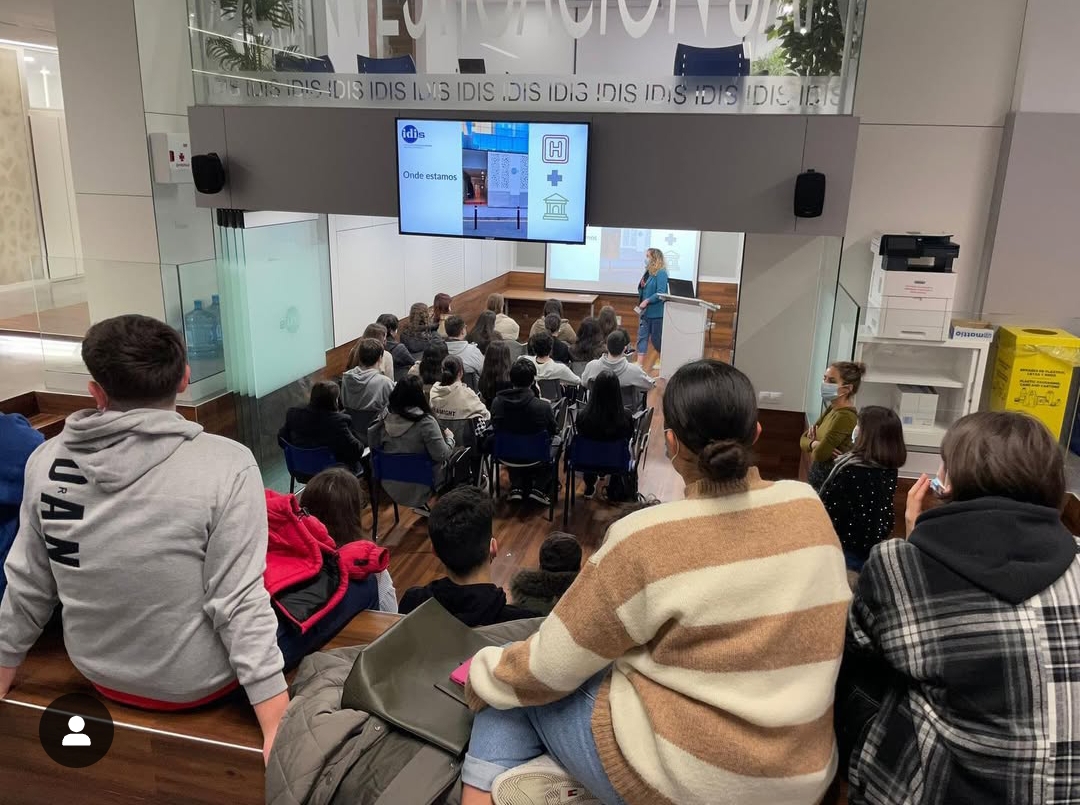
IDIS opens its doors to educational institutions with the aim of showcasing our research activities and promoting scientific culture among students. Pupils from Primary Education, Secondary Education, Baccalaureate, and Vocational Education and Training are welcome to take part in visits tailored to their interests and educational level.
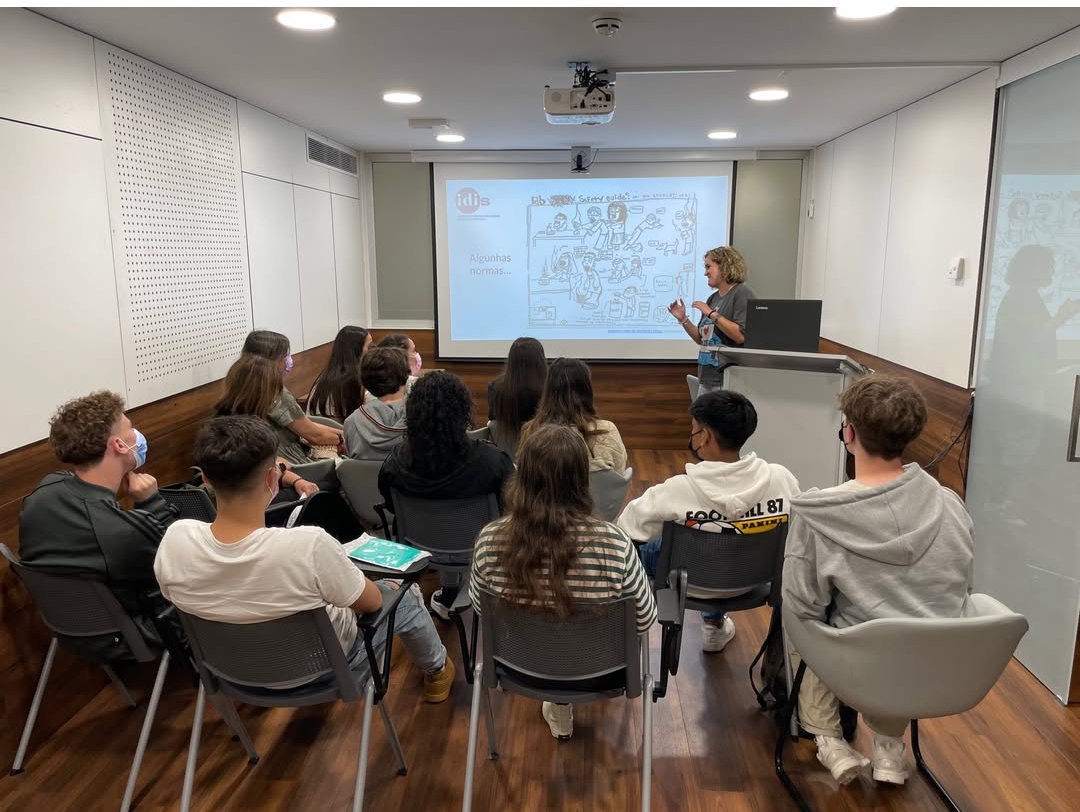
Visits last approximately 2 to 3 hours and begin with a 30-minute introductory presentation explaining what IDIS is, how we work, our main research areas, and the different professional profiles that make up our multidisciplinary team.
Students then take part in interactive workshops led by our researchers, lasting approximately 1 to 1.5 hours. During these sessions, participants have the opportunity to experience laboratory work first-hand, explore state-of-the-art scientific equipment, and engage directly with our research staff. Activities are designed to be practical, interactive, and engaging, allowing students to experience science in a meaningful way.

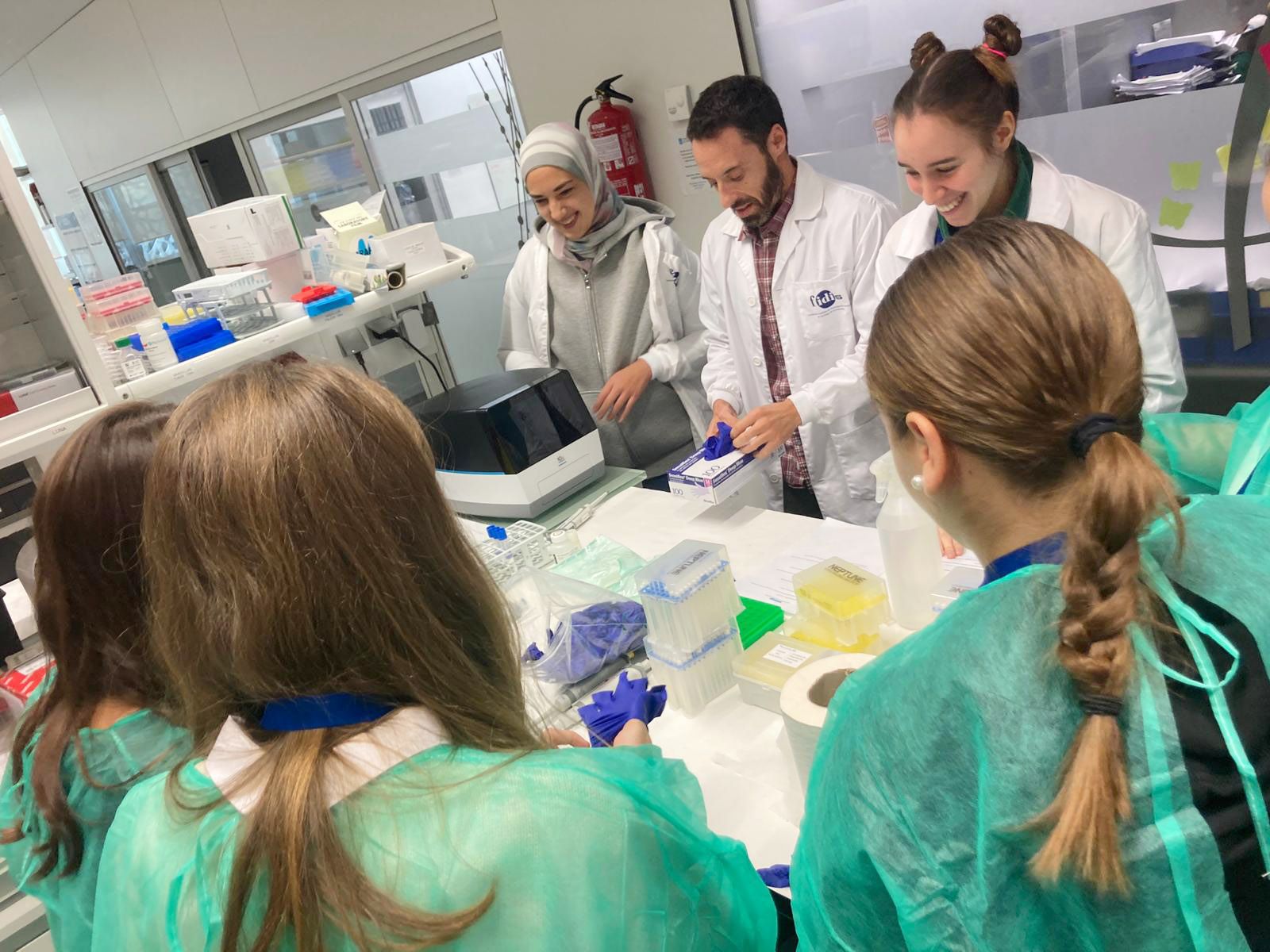
To organise a visit tailored to your school’s needs, simply complete the application form below.
Form
Unfortunately, our 2025–2026 academic year schedule is already fully booked. If your school is interested in arranging a visit during the 2026–2027 academic year, please do not hesitate to contact us.
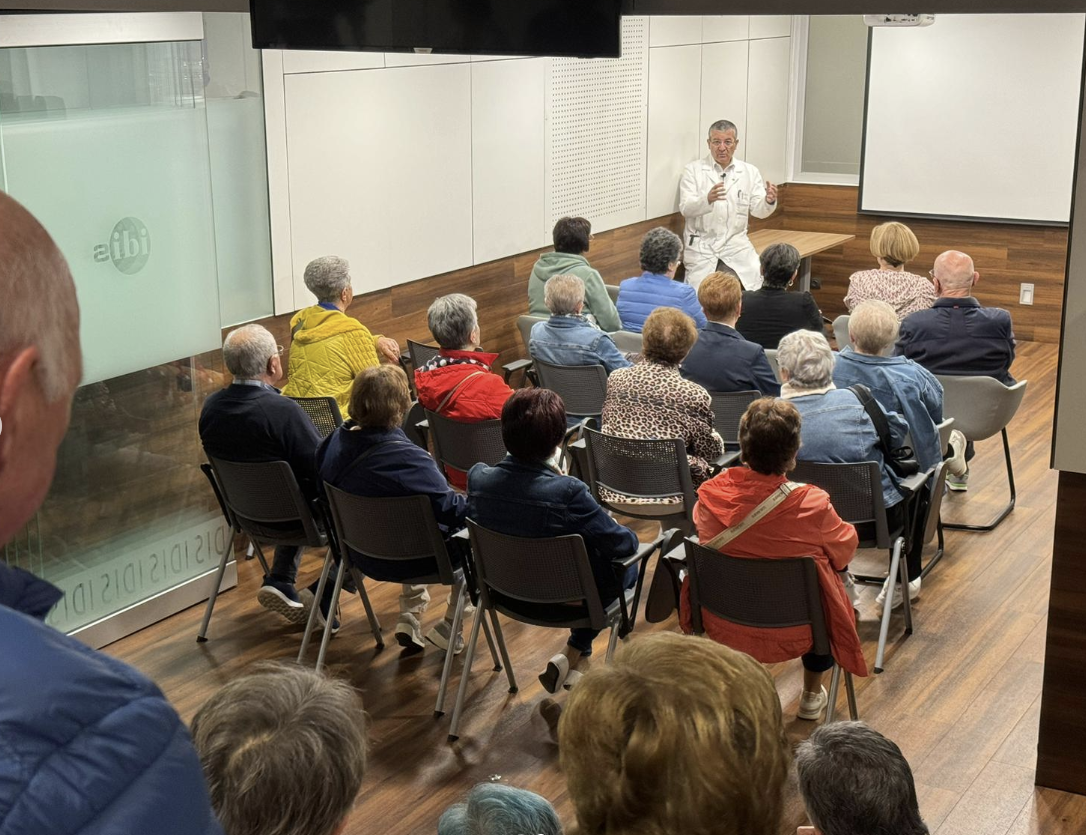
IDIS also offers visits for the general public with the aim of bringing biomedical research closer to society and providing an accessible insight into how research is carried out. These activities are intended for neighbourhood associations, patient organisations, social entities, and any groups interested in learning about the role of science in improving health and well-being.
Visits may include outreach talks and guided tours of different areas of the institute, allowing participants to discover our facilities and learn more about our scientific activity. For many groups, these visits provide an opportunity to better understand advances in research related to conditions that affect them directly, the challenges researchers face, and the progress being made towards improving diagnosis and treatment.
The format of each visit is adapted to the characteristics and interests of each group.
Our aim is to offer an engaging and accessible experience that enables visitors to discover biomedical research from the inside while strengthening the connection between science and society.
If your association or organisation would like to arrange a visit, we would be delighted to consider your request and welcome you to IDIS.
Contact us at: divulgacion@idisantiago.es
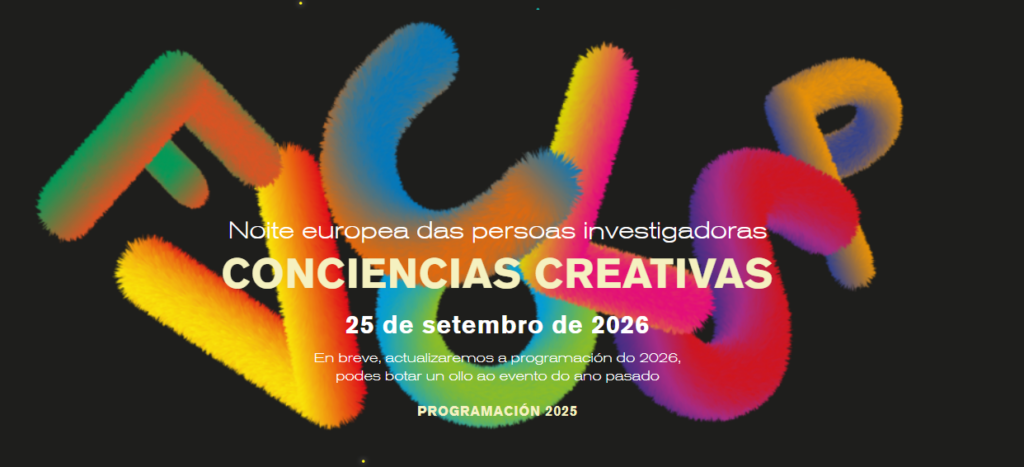
IDIS is firmly committed to science communication and to bringing biomedical research closer to society. Every year, the institute takes part in a range of initiatives that showcase the work of its researchers, inspire scientific vocations among students, and highlight the important role of women in science. Among these initiatives are G-Night (European Researchers’ Night), the Careers Fair (Feira das Profesións), and the International Day of Women and Girls in Science (11 February).
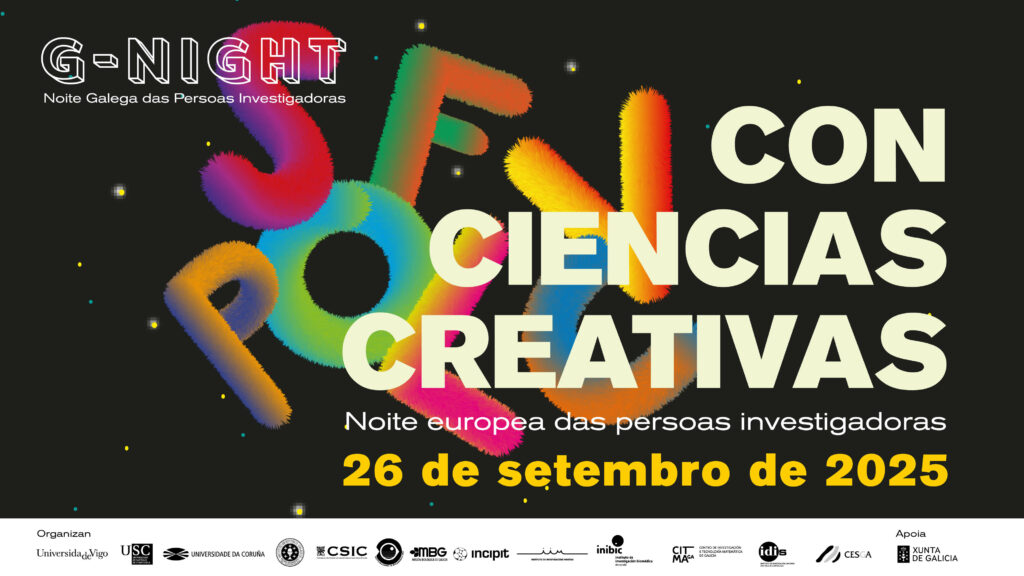
 G-Night is a European event held simultaneously in numerous cities with the aim of bringing science closer to the public. Each year, IDIS participates with outreach activities designed for audiences of all ages, including scientific demonstrations, interactive workshops, hands-on experiments, games, and opportunities to meet and talk with researchers.
Throughout the event, IDIS professionals explain in an accessible way how biomedical research is carried out, the challenges involved in developing new treatments, and how scientific knowledge directly contributes to improving people’s health and well-being.
By taking part in G-Night, IDIS helps strengthen the relationship between science and society while promoting an open, inclusive, and accessible scientific culture.
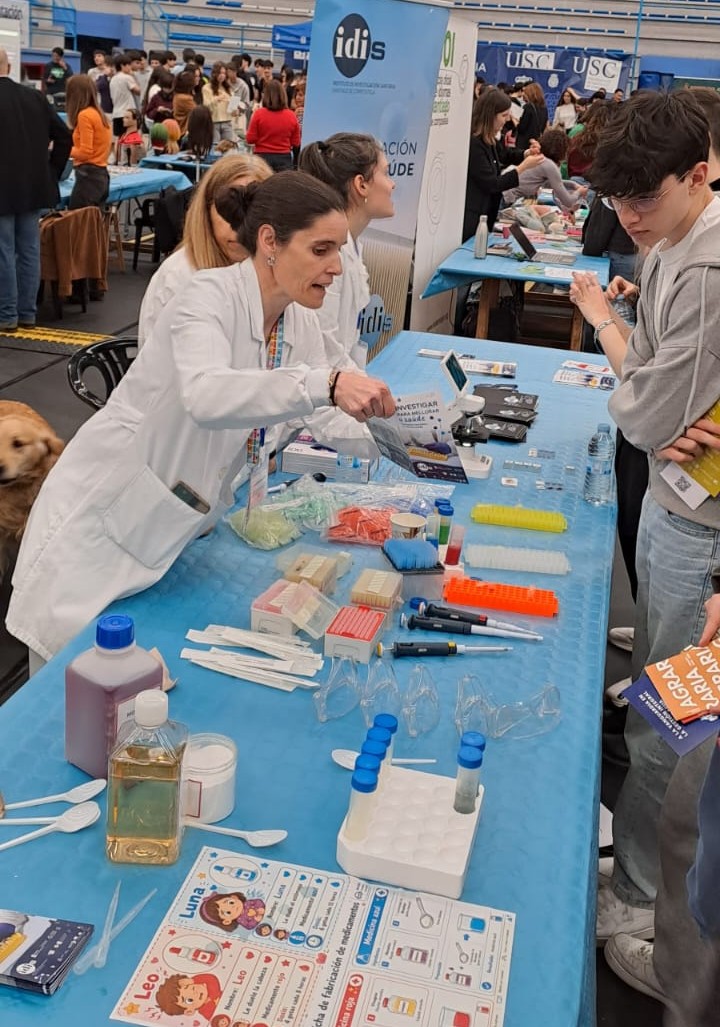 The Careers Fair is aimed at secondary school and upper secondary students, as well as their families, who wish to explore different career paths.
Each year, IDIS actively participates with its own exhibition stand, where volunteer researchers lead interactive workshops and educational demonstrations to explain:
- What it is like to work in a biomedical research laboratory.
- The wide variety of professional profiles that make up a health research institute (more than you might imagine!).
- The skills and competencies that are most valued in scientific careers.
- How science contributes to improving people’s lives.
This initiative provides valuable career guidance for students while demonstrating that scientific research is an accessible, diverse, and rewarding career path.
If you are a researcher and would like to participate in this initiative, contact us at: divulgacion@idisantiago.es
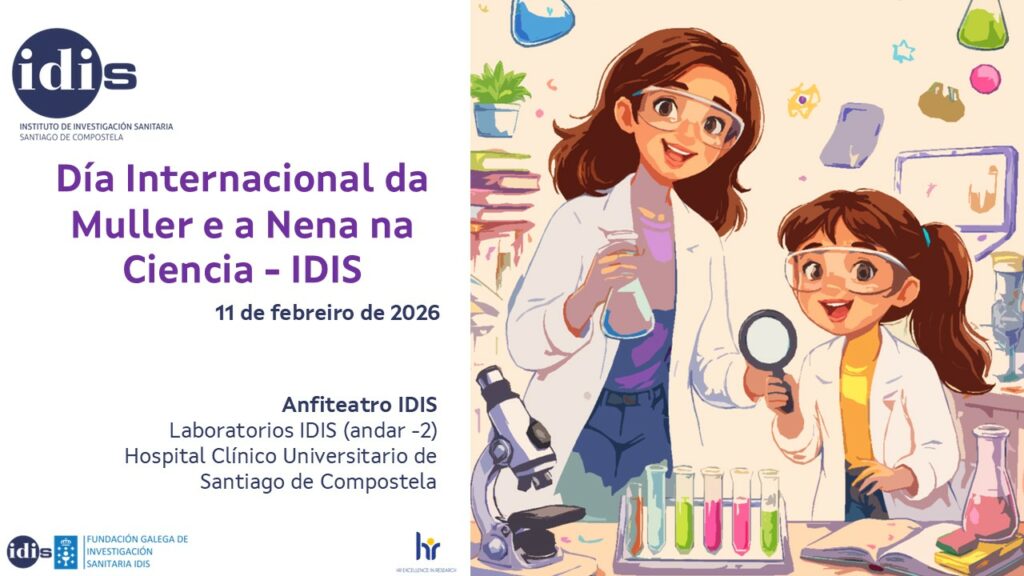
Every year on 11 February, IDIS joins the global celebration of the International Day of Women and Girls in Science, an initiative that highlights the contribution of women researchers and encourages scientific careers among girls and young women.
To mark this occasion, the institute organises interviews, videos, school visits, talks, and interactive workshops where professionals from IDIS and FIDIS share their experiences, motivations, and career paths.
These activities provide students with real and diverse female role models, helping to break down gender stereotypes and encourage equal opportunities in science.
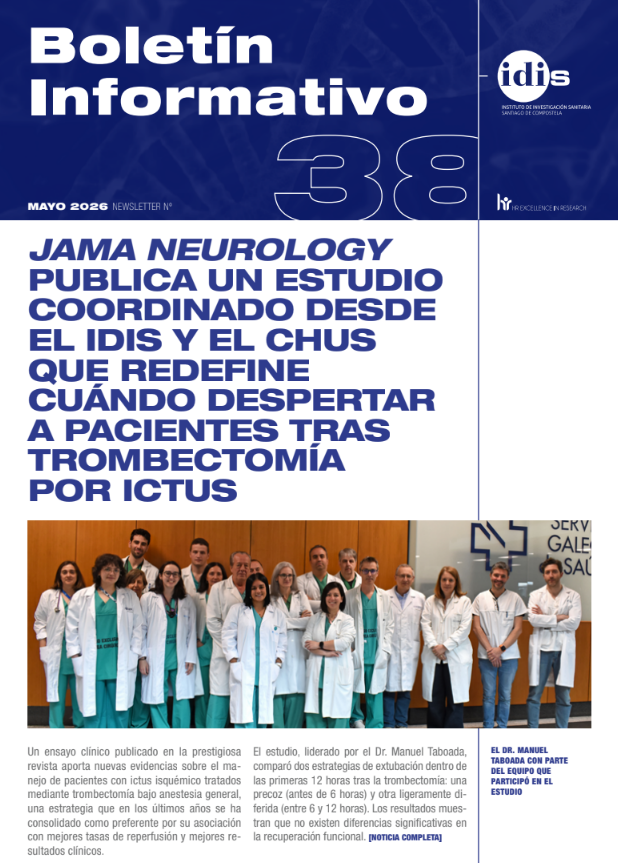
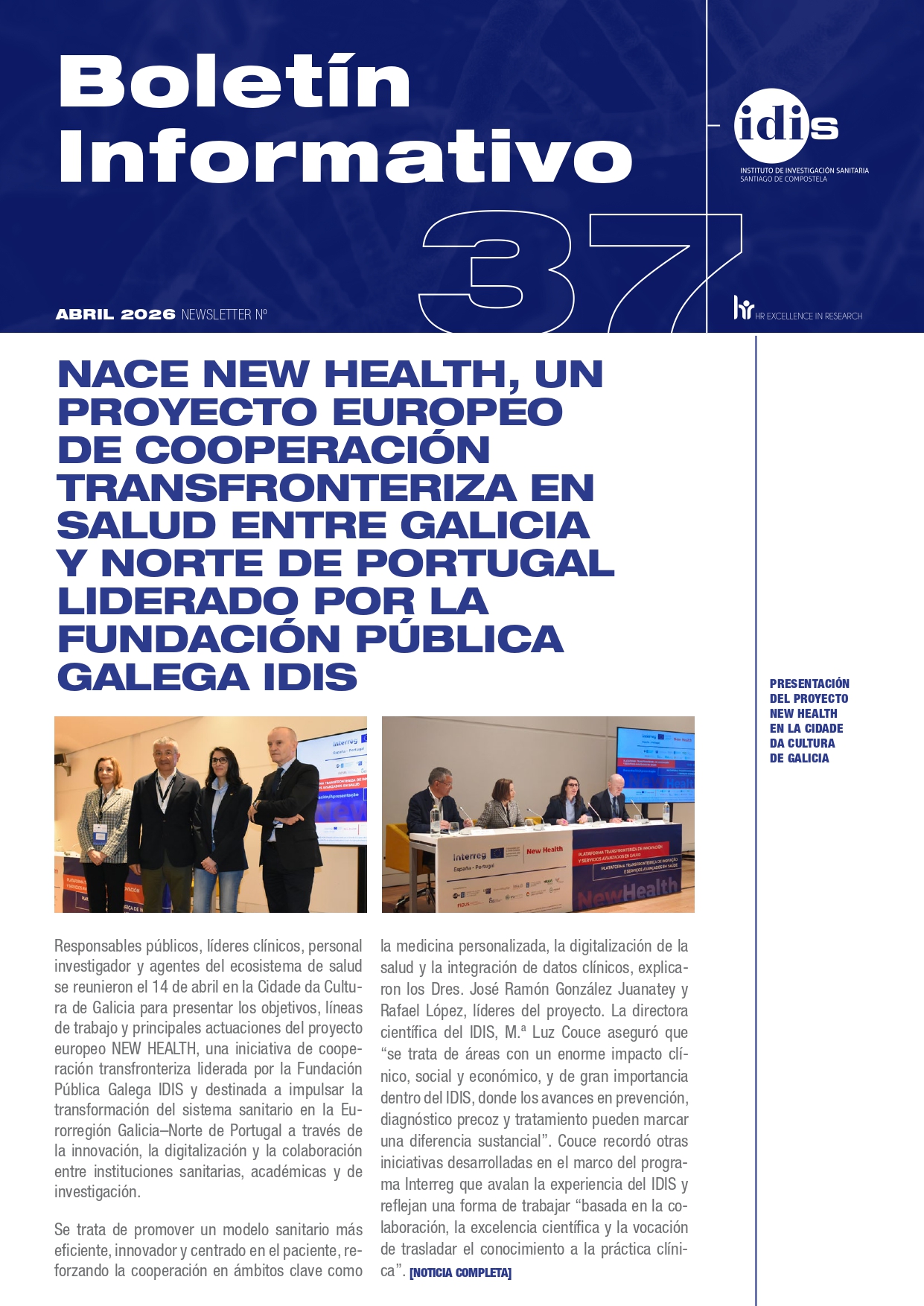
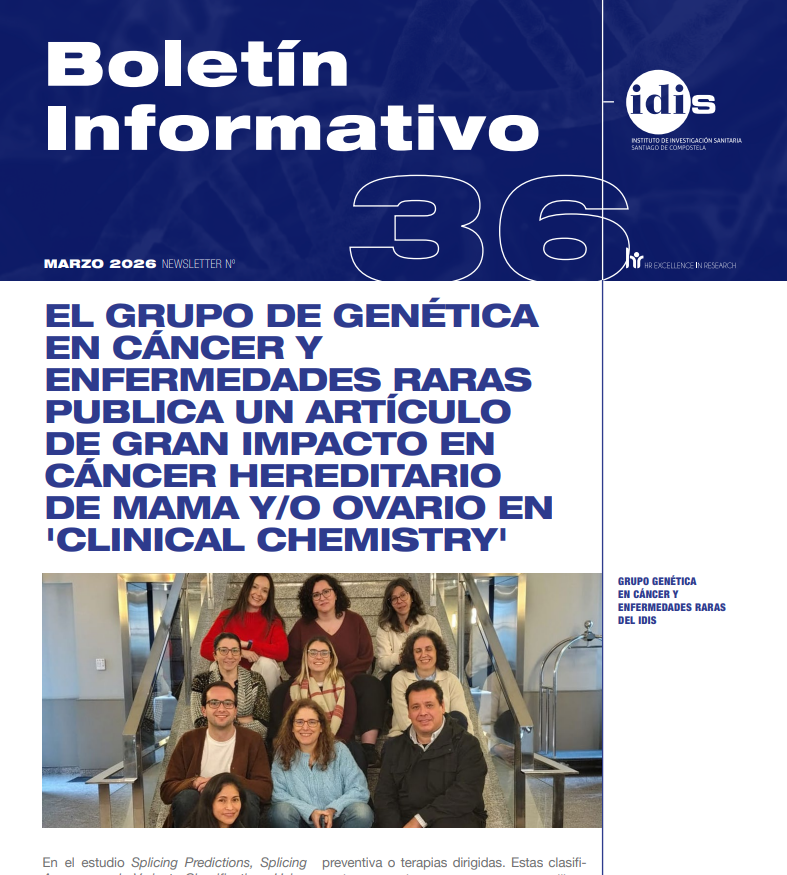
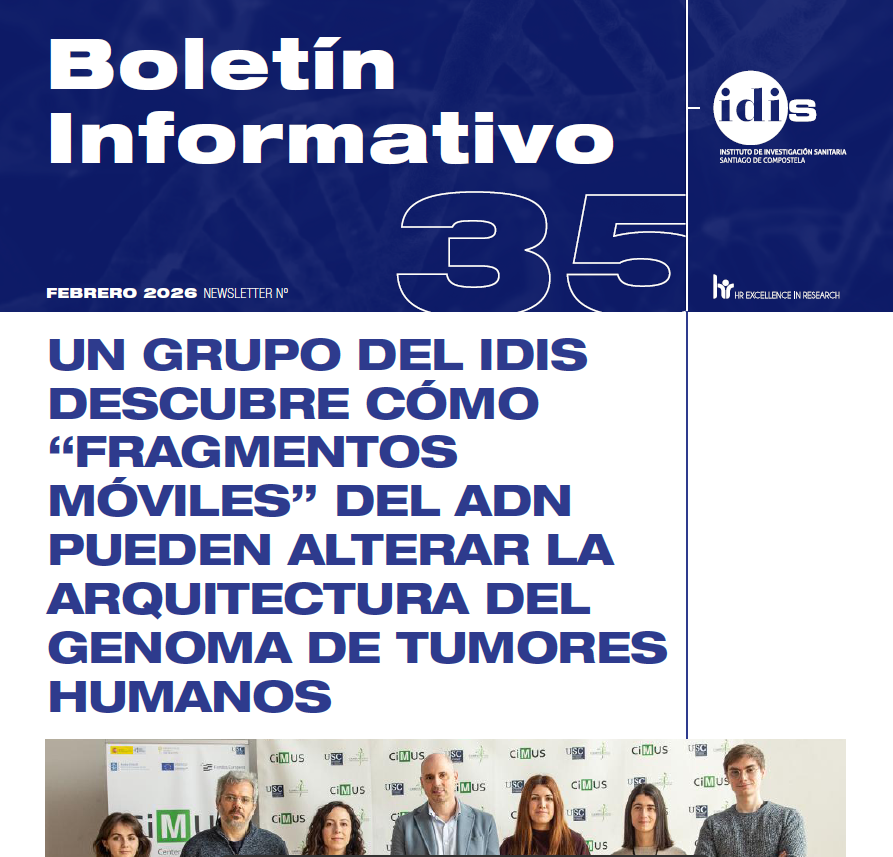
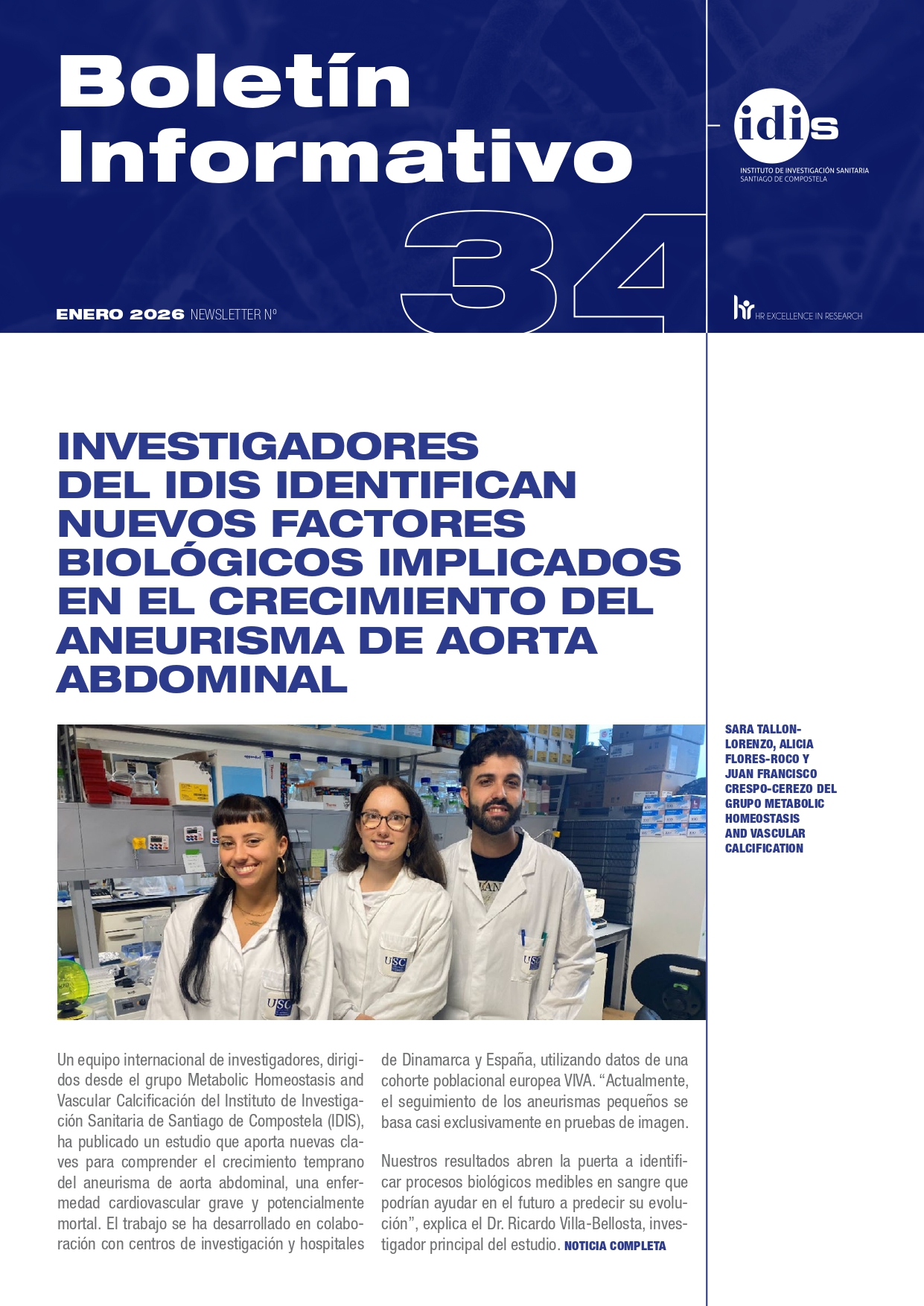
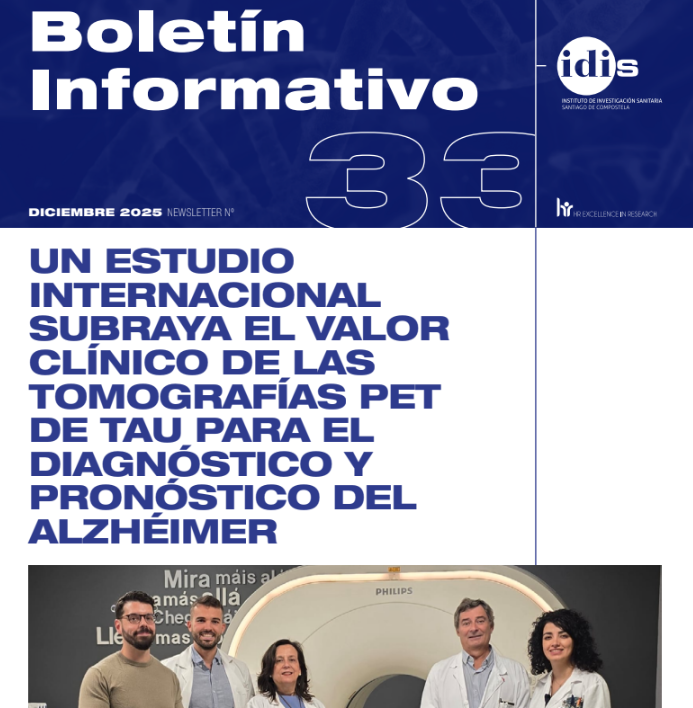
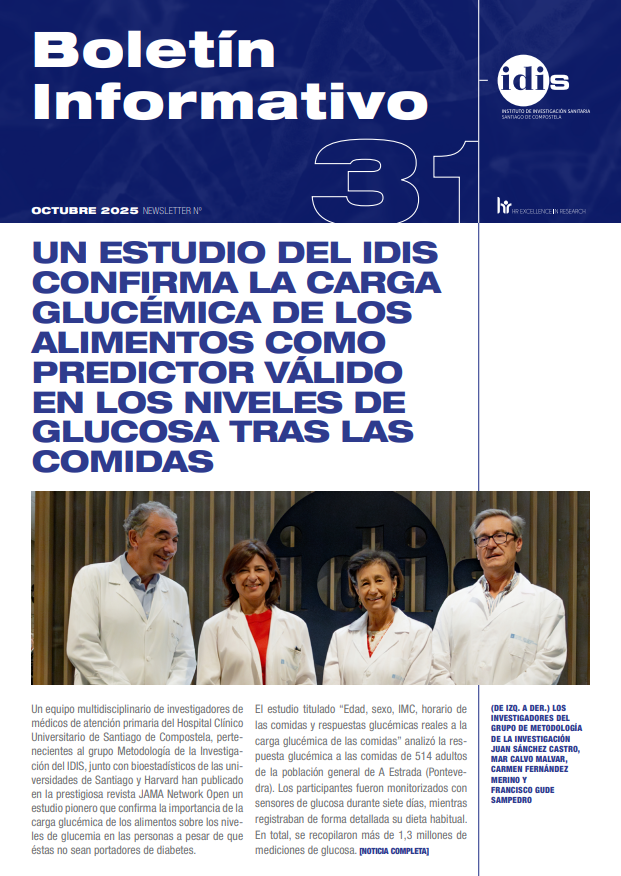
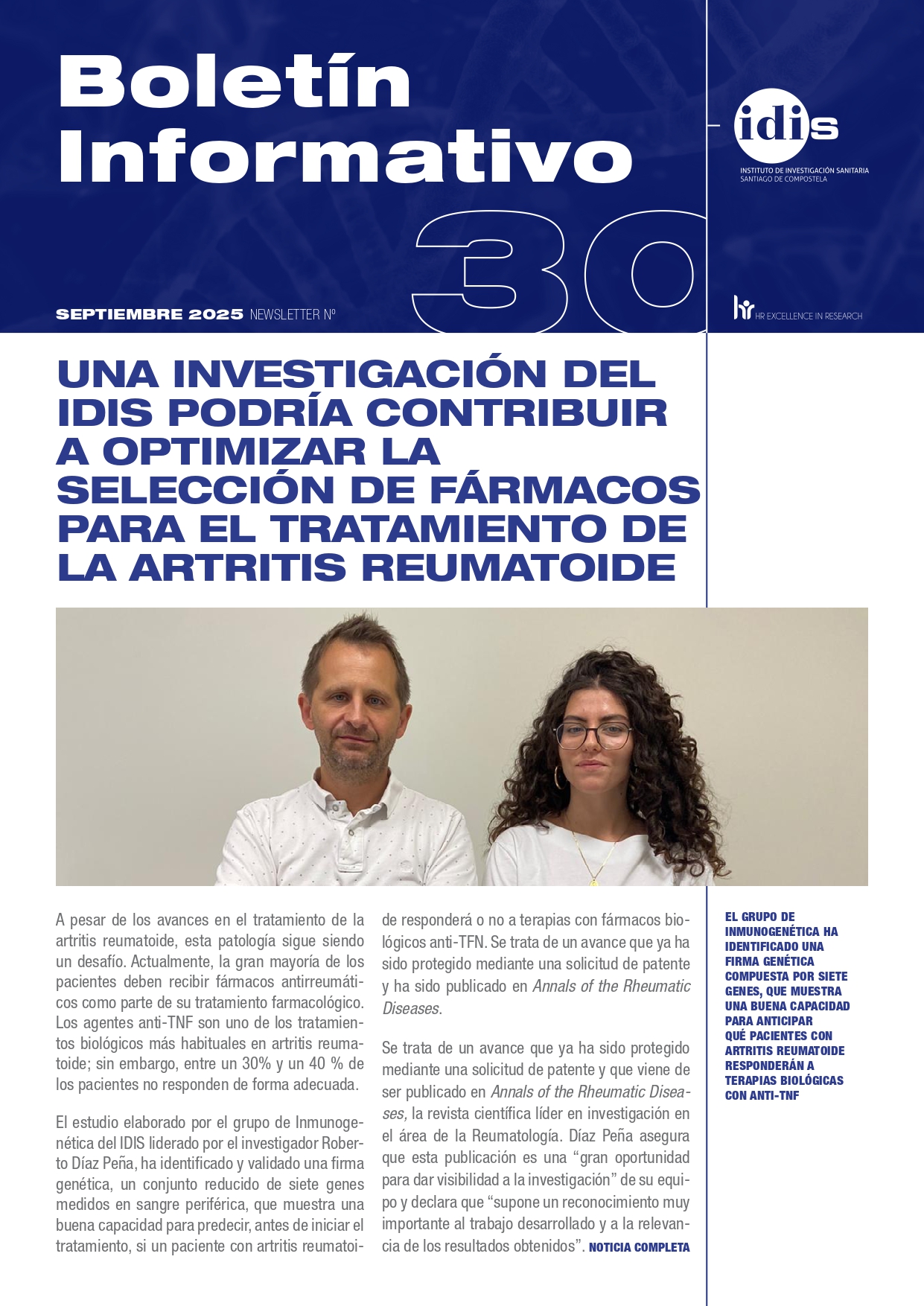
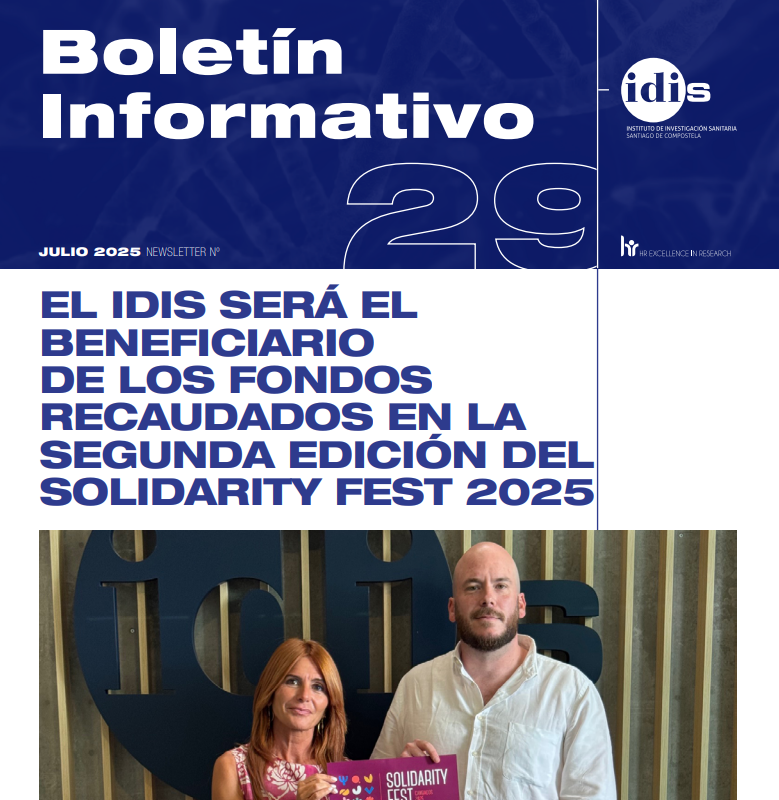
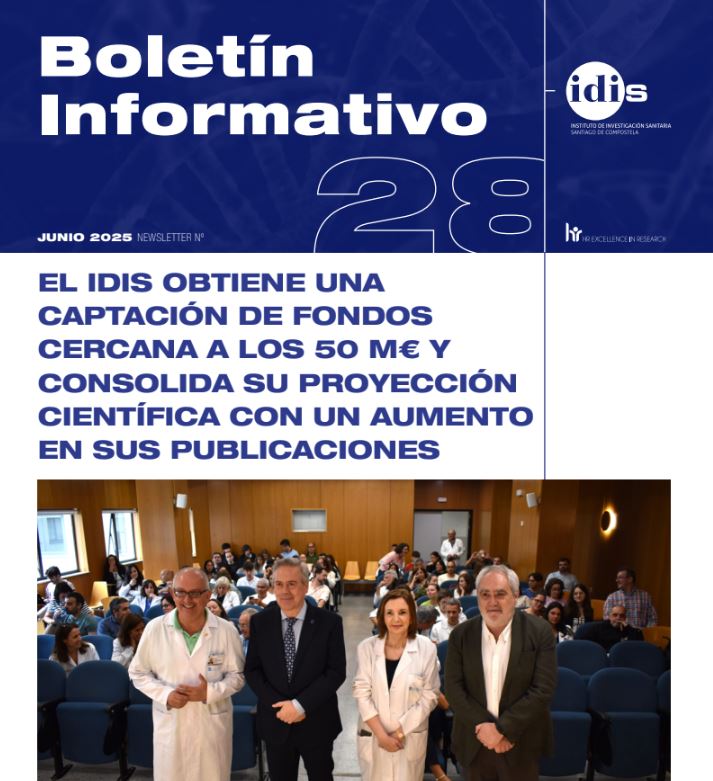
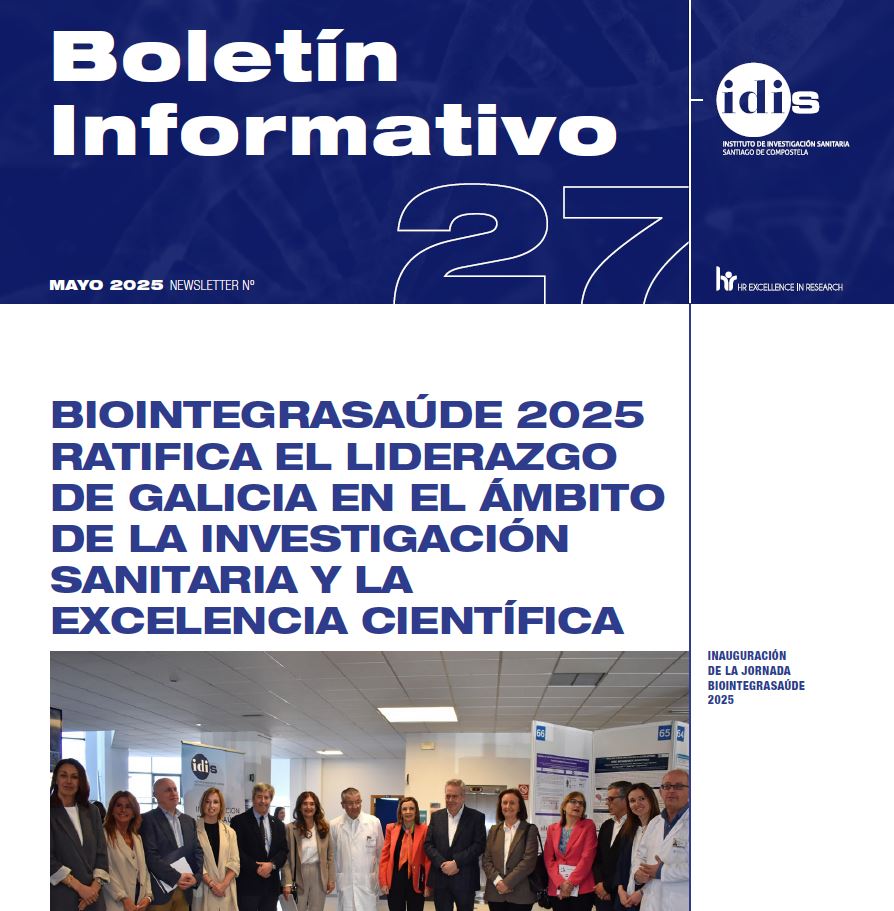
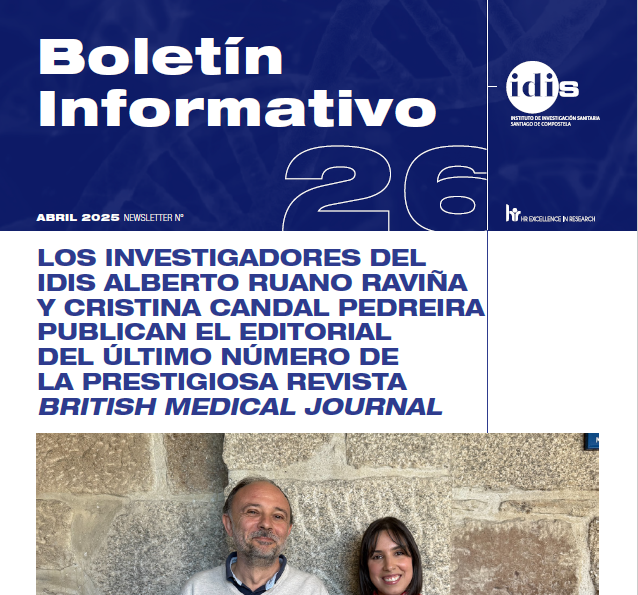
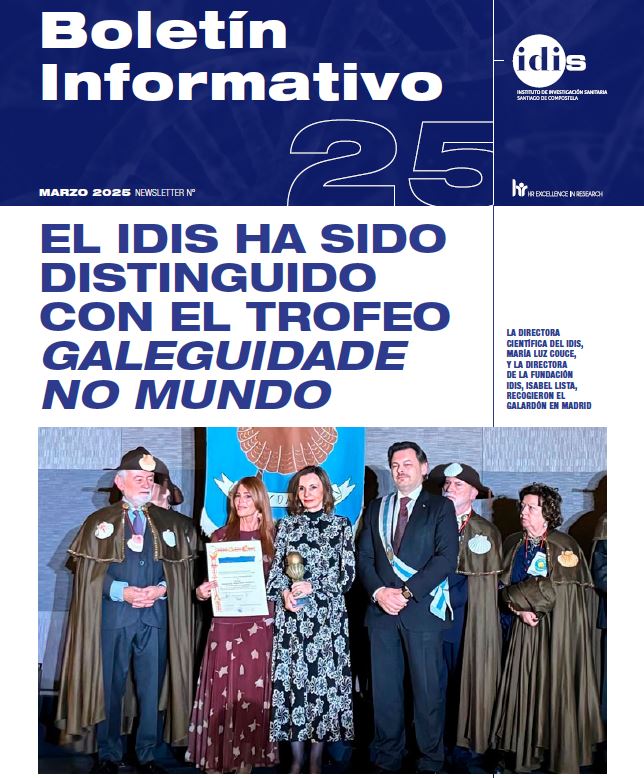
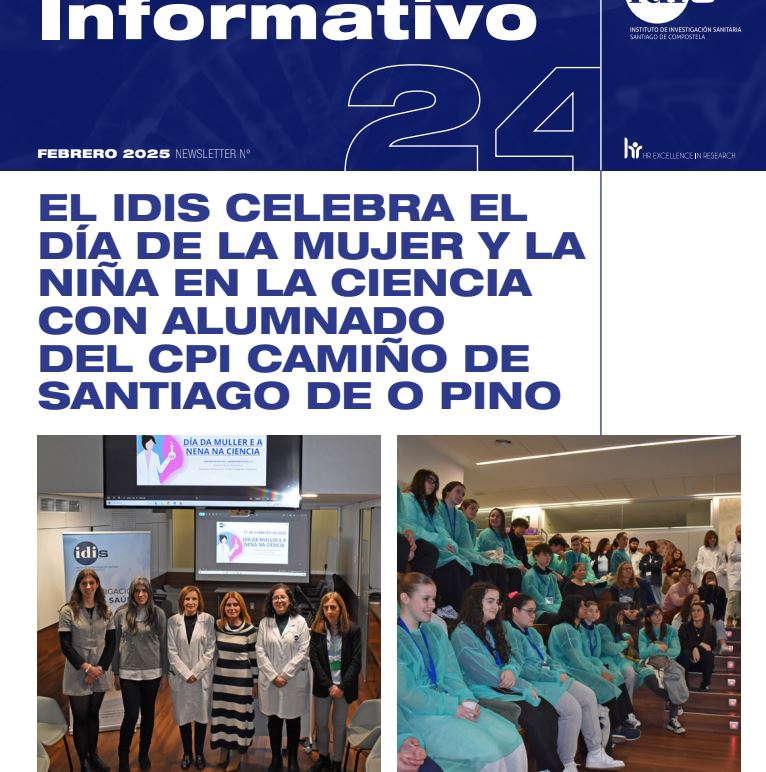
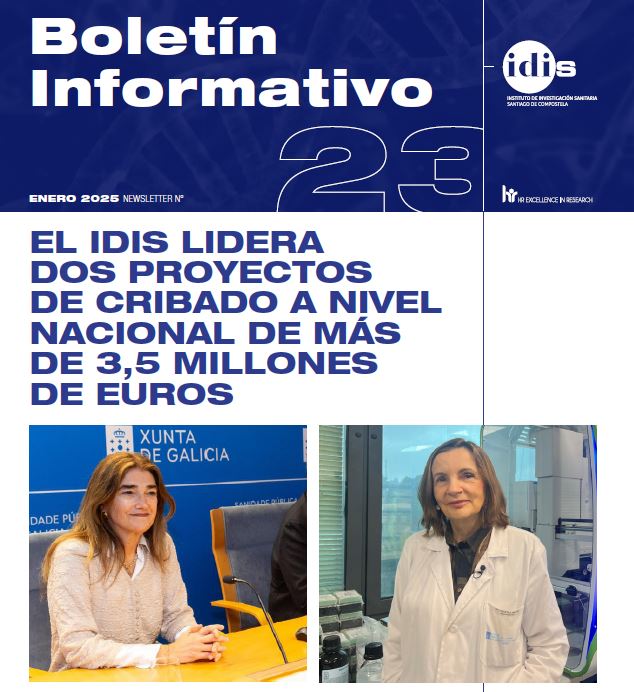
At the end of each month, IDIS publishes a newsletter featuring the institute’s most important research news, as well as information about upcoming events, doctoral theses, and other activities of interest.
Latest

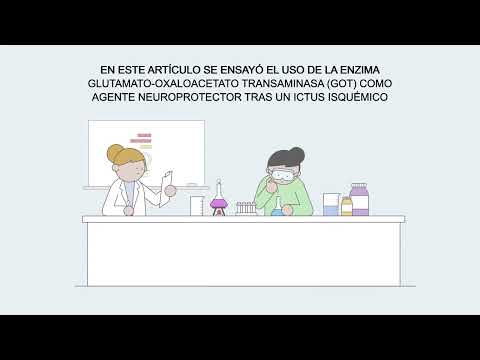
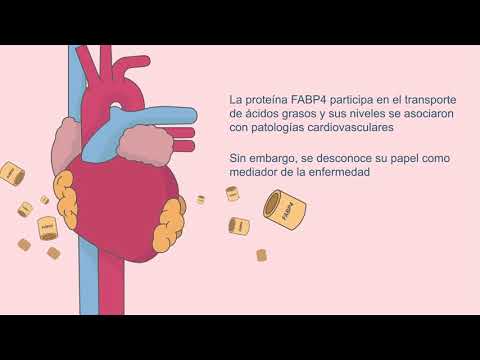
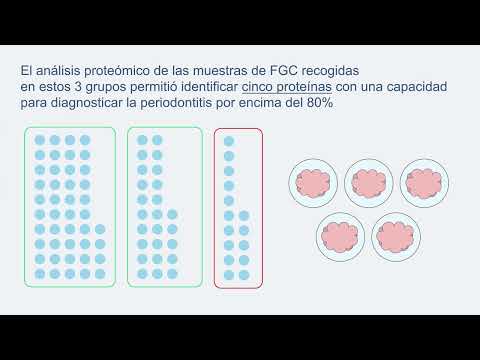
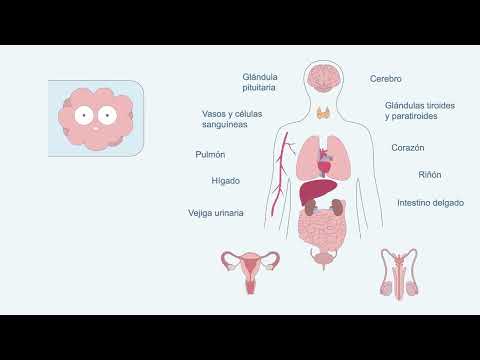
The animation capsules are part of the Innova-IDIS Competition, an initiative that promotes the creativity and talent of the institute’s research staff. Each audiovisual piece showcases one of the projects selected in the competition, presenting it in an accessible and engaging format that brings scientific advances closer to the general public through this science communication platform.
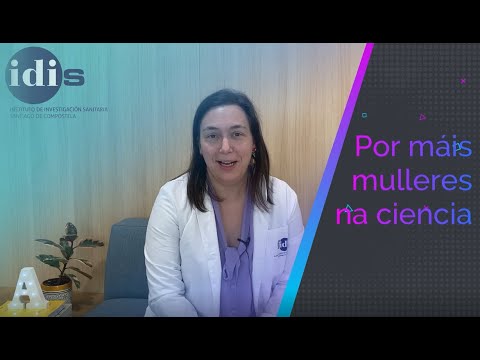
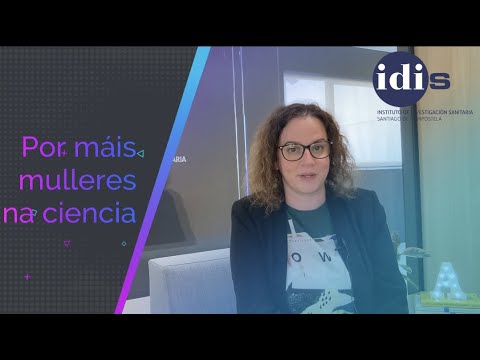
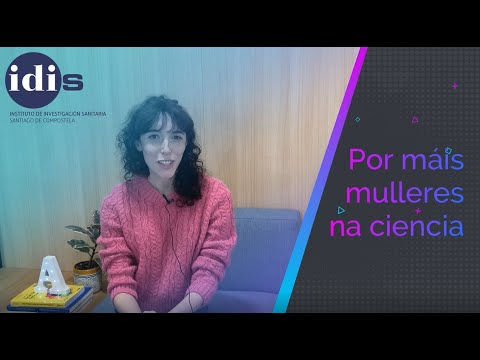
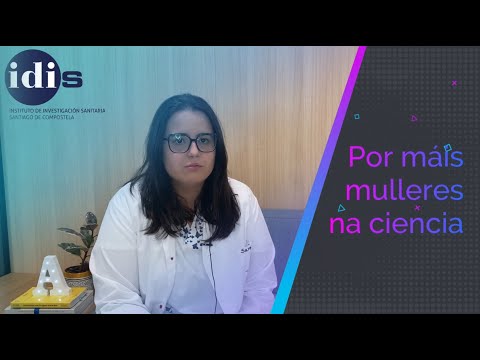
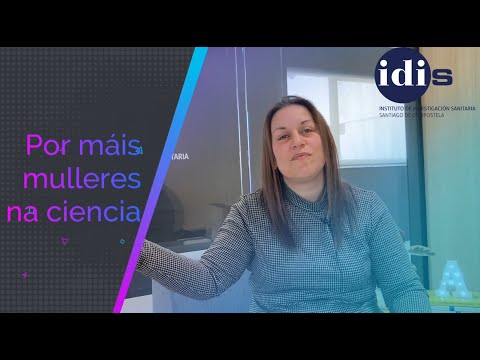
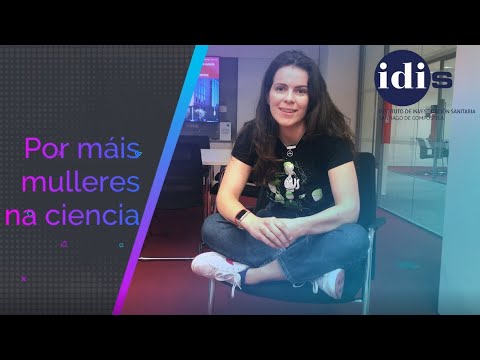
This video series features professionals from IDIS and FIDIS—including research managers, researchers, nurses, and other scientific staff—who share, in a personal and approachable way, how their interest in science began and what motivates them to continue their research careers.
Produced to mark the International Day of Women and Girls in Science (11 February), these videos highlight the diversity of experiences, career paths, and motivations behind scientific research, while providing inspiring role models for future generations.
Events