
News
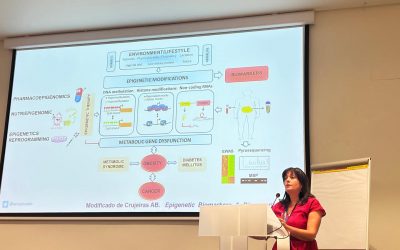
La Unidad de Epigenómica del IDIS refuerza su papel como infraestructura estratégica en el Simposio CIBEROBN–CIBERDEM
Ana B. Crujeiras destacó el papel de la Plataforma de Epigenómica de la Obesidad que permite a grupos de investigación que trabajan en obesidad, nutrición y patologías metabólicas disponer de tecnologías epigenómicas avanzadas
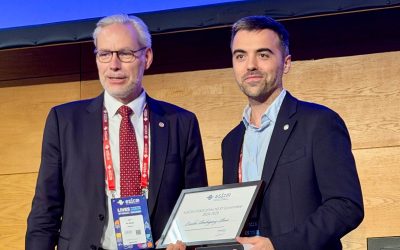
Emilio Rodríguez Ruiz finaliza su etapa como representante de los jóvenes profesionales de cuidados intensivos en la ESICM
Desde el IDIS destacan esta etapa como una muestra del compromiso de su personal con el desarrollo de la medicina intensiva, la colaboración internacional y el impulso del talento joven

Comienza el ensayo clínico Combogal que lidera el Dr. Federico Martinón, investigador principal del grupo Genvip
Unas 730.000 personas serán invitadas a participar en este estudio destinado a comprobar la efectividad de la dosis única frente a gripe y covid
Calendar



COMMON SUPPORT PLATFORMS
The platforms are research support units featured by a high strategic value, equipped by cutting edge technologies and operated by highly specialised technical staff.
CALLS
All updated information on public and private competitive calls. The most convenient and safest way to send your requests.
CAREERS
Would you like to join our team? We are always looking for people with a passion for research and propelled by insatiable curiosity to join our mission of providing a better healthcare day every day. Here you can see and apply for our current vacancies.
Research Areas

ONCOLOGY
Improvement of treatments: personalised therapy and reduction of side effects.

GENETICS AND SYSTEMS BIOLOGY
Identification of genetic biomarkers of disease susceptibility and prognosis

ENDOCRINOLOGÍA, NUTRICIÓN Y METABOLISMO
The area studies obesity from different perspectives with the participation of groups from the clinical and basic fields in a synergistic way.

NEUROSCIENCES
Search for new therapeutic targets and improvement of the clinical-therapeutic management of neurological patients, mainly stroke, Alzheimer’s, Parkinson’s disease, headaches and neurological diseases caused by prions.

CARDIOVASCULAR
The general objective of the Cardiovascular Area consists of the search for new therapeutic targets and the improvement of clinical-therapeutic management.

PLATFORMS AND METODOLOGY
The area aims at providing evidence for prioritising the management of public resources, evaluating risks and identifying opportunities for improving the health of the population. From here, prioritise structural investments and action programs.