
News

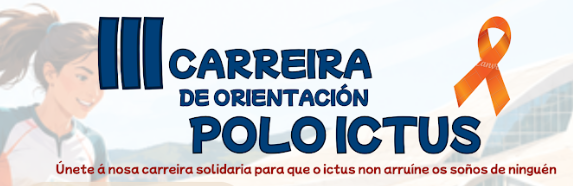
Abierta la inscripción para la III Carrera de Orientación Solidaria por el Ictus que tendrá lugar en Santiago el 27 de septiembre
La iniciativa, en beneficio de Dano Cerebral Galicia, está organizada por el grupo Ictus Traslacional del IDIS y el Club Aromon de Pontevedra

Un artículo del investigador del IDIS David Macía Suárez en Radiology centra la atención internacional
El estudio prueba que la incorporación de la elastografía por ondas de corte (SWE) y la imagen microvascular de alta resolución (SMI) mejoran la precisión diagnóstica en los tumores de tejidos blandos
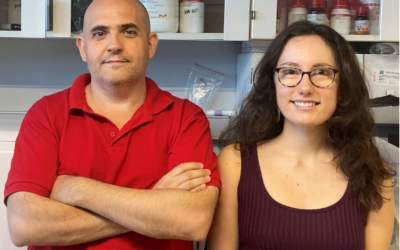
El exceso de fructosa puede debilitar las defensas naturales de las arterias frente a la calcificación
Una investigación del IDIS identifica cómo una exposición prolongada a la fructosa altera la producción de energía en el hígado y favorece un entorno vascular más propenso a acumular calcio.
Calendar
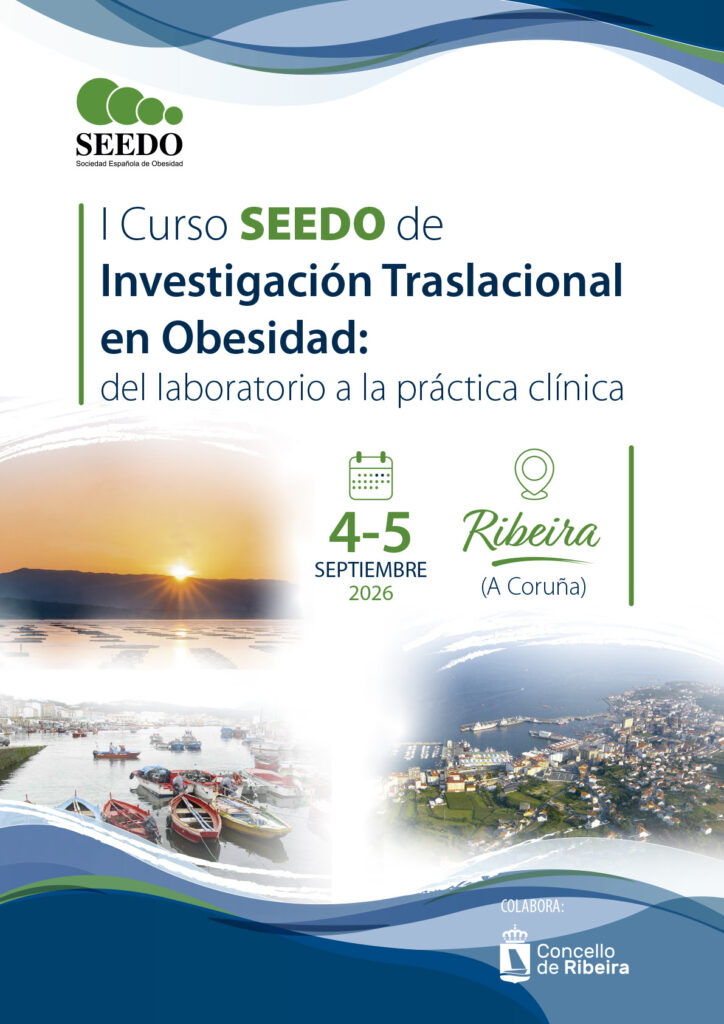



COMMON SUPPORT PLATFORMS
The platforms are research support units featured by a high strategic value, equipped by cutting edge technologies and operated by highly specialised technical staff.
CALLS
All updated information on public and private competitive calls. The most convenient and safest way to send your requests.
CAREERS
Would you like to join our team? We are always looking for people with a passion for research and propelled by insatiable curiosity to join our mission of providing a better healthcare day every day. Here you can see and apply for our current vacancies.
Research Areas

ONCOLOGY
Improvement of treatments: personalised therapy and reduction of side effects.

GENETICS AND SYSTEMS BIOLOGY
Identification of genetic biomarkers of disease susceptibility and prognosis

ENDOCRINOLOGÍA, NUTRICIÓN Y METABOLISMO
The area studies obesity from different perspectives with the participation of groups from the clinical and basic fields in a synergistic way.

NEUROSCIENCES
Search for new therapeutic targets and improvement of the clinical-therapeutic management of neurological patients, mainly stroke, Alzheimer’s, Parkinson’s disease, headaches and neurological diseases caused by prions.

CARDIOVASCULAR
The general objective of the Cardiovascular Area consists of the search for new therapeutic targets and the improvement of clinical-therapeutic management.

PLATFORMS AND METODOLOGY
The area aims at providing evidence for prioritising the management of public resources, evaluating risks and identifying opportunities for improving the health of the population. From here, prioritise structural investments and action programs.

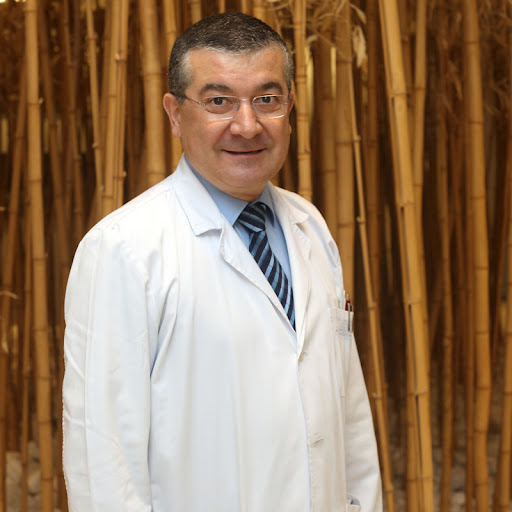
Area Leader A001 - Oncology. Lead Researcher of the group C030 - Translational Medical Oncology
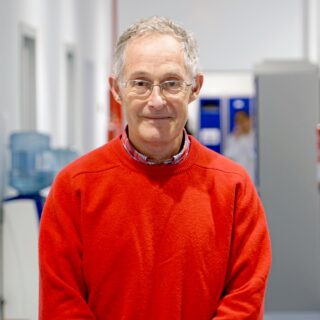
Area leader A002 - Genetics and Systems Biology. Lead Researcher of the group C002 - Genetics
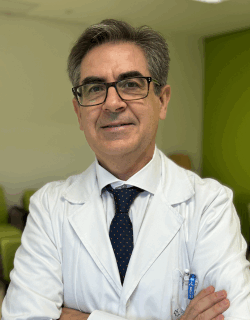
Leader Area A003 - Endocrinology, nutrition and metabolism. Leader of group C006 - Molecular endocrinology

Area Leader A004 - Neurosciences. Lead researcher of group C018 - Experimental Neurology of Parkinson's Disease
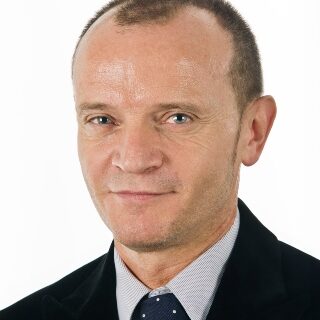
Area Leader A006 - Cardiovascular. Lead Researcher of group C016 - Cardiology
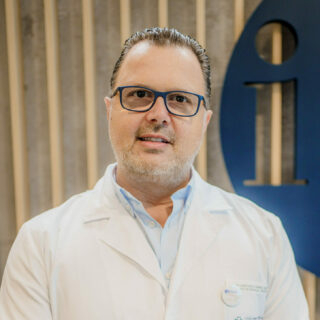
Area Leader A007 - Infectology, Inflammation and Vaccines. Lead researcher of the group C020 - Genetics, Vaccines, Infections and Paedriatics (GENVIP)

Scientific Director of the IDIS - Lead Researcher of group C012 - Metabolic Disorders
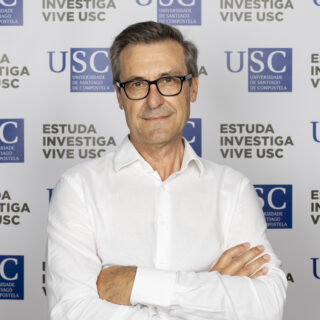
Area Leader A005 - Platforms and Methodology. Lead Researcher of group C015 - Research Methodology